Removing damaged material is only one part of a mold-remediation project. Before containment comes down and repairs close the area, the work should be reviewed against the agreed scope. That final check helps property owners understand whether the moisture source was addressed, the work area was cleaned, and the project is ready to move forward.
COIT Cleaning and Restoration provides mold inspection, containment, removal, moisture correction, documentation, and post-remediation verification in Sparks, Reno, and surrounding Northern Nevada communities. Third-party clearance testing is available on request.
Remediation Starts With a Defined Scope
A visual inspection and moisture mapping help identify affected materials and the conditions supporting growth. Sampling may be appropriate in some situations, but not every project requires the same tests. A written scope should explain where work will occur, how the area will be contained, what materials may be removed, and how completion will be evaluated.
COIT's mold remediation service in Sparks and Reno follows a documented process based on inspection findings rather than surface appearance alone.
Containment Protects Unaffected Areas
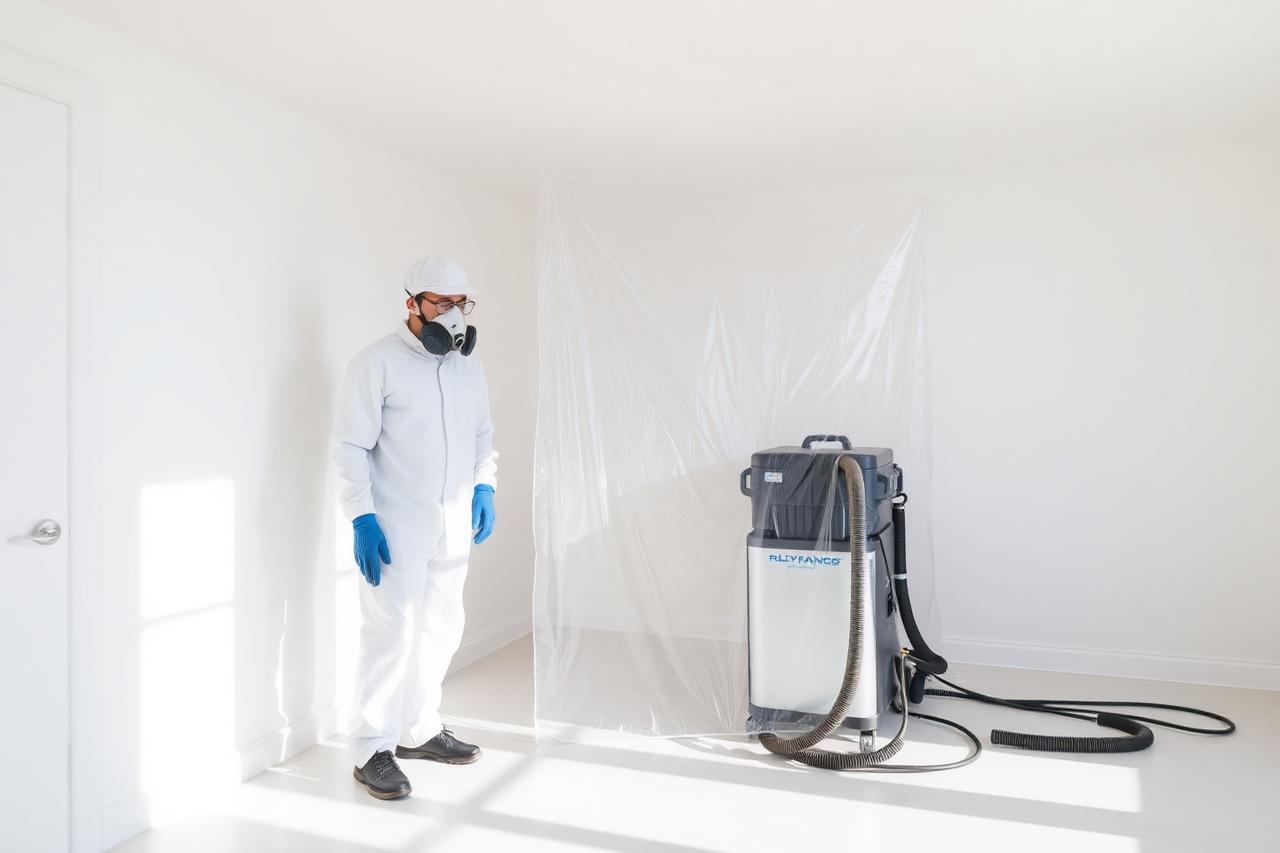
Disturbing mold-damaged materials can release dust and particles. Sealed barriers, negative air pressure, and HEPA filtration help keep the work area separated from clean rooms while removal and cleaning are underway. Containment should remain in place until the project reaches the appropriate verification step.
The Moisture Source Must Be Corrected
Cleaning visible growth without addressing a leak, condensation issue, or previous water loss can allow the same problem to return. Moisture readings help determine whether nearby materials remain damp. Repairs should not cover the area until drying goals and the remediation scope have been satisfied.
When mold follows a leak or flood, COIT's water damage restoration service can address extraction, structural drying, moisture monitoring, and documentation before rebuilding begins. If contaminated water caused the damage, review the sewage cleanup process before entering the area.
What Post-Remediation Verification Reviews
Verification may include a visual review, moisture checks, confirmation that specified materials were removed or cleaned, and review of the work-area condition. When third-party clearance testing is requested, an independent professional may collect samples and compare results with the project's clearance criteria. Testing is one part of the closeout; it does not replace moisture correction or a complete remediation scope.
Why Written Documentation Helps
Photos, moisture readings, the scope of work, disposal records, and clearance results create a useful project history. Property owners may need that record for an insurance claim, real-estate transaction, property-management file, or future repair. Coverage and documentation requirements depend on the cause of loss and the policy or transaction.
Questions to Ask Before Containment Comes Down
- Was the moisture source identified and corrected?
- Were affected materials handled according to the written scope?
- Is the work area visibly clean and dry?
- Will third-party clearance testing be used for this project?
- What documents will be provided at closeout?
Health symptoms cannot confirm whether remediation is complete. Anyone with health concerns should consult an appropriate medical professional while the property conditions are evaluated and documented.
Schedule a Mold Inspection in Sparks
COIT Cleaning and Restoration has served the Sparks and Reno area since 2005. Its IICRC-certified technicians provide inspections and written recommendations for residential, commercial, and multi-unit properties across the Reno metro.
Call 775-322-4266 to schedule a free mold inspection and discuss whether post-remediation verification or third-party clearance testing is appropriate for the property.
Concerned about hidden mold?
Schedule an inspection and get a documented plan for the next step.