A sewage backup can leave property owners wondering whether anything in the affected area can be saved. The answer depends on the material, how deeply contaminated water penetrated it, and whether it can be thoroughly cleaned, disinfected, and dried. Professional sewage cleanup in Sparks, NV, begins with containment and an item-by-item assessment—not a one-size-fits-all decision.
Why Material Type Matters
Sewage water can contain bacteria, viruses, and other contaminants. Porous materials absorb that water into fibers and internal spaces, which may make complete cleaning difficult. Dense, nonporous surfaces are often more suitable for professional cleaning, but their condition and the amount of exposure still matter. Technicians evaluate the source, duration, affected area, and construction before defining the scope.
Porous Materials Often Require Removal
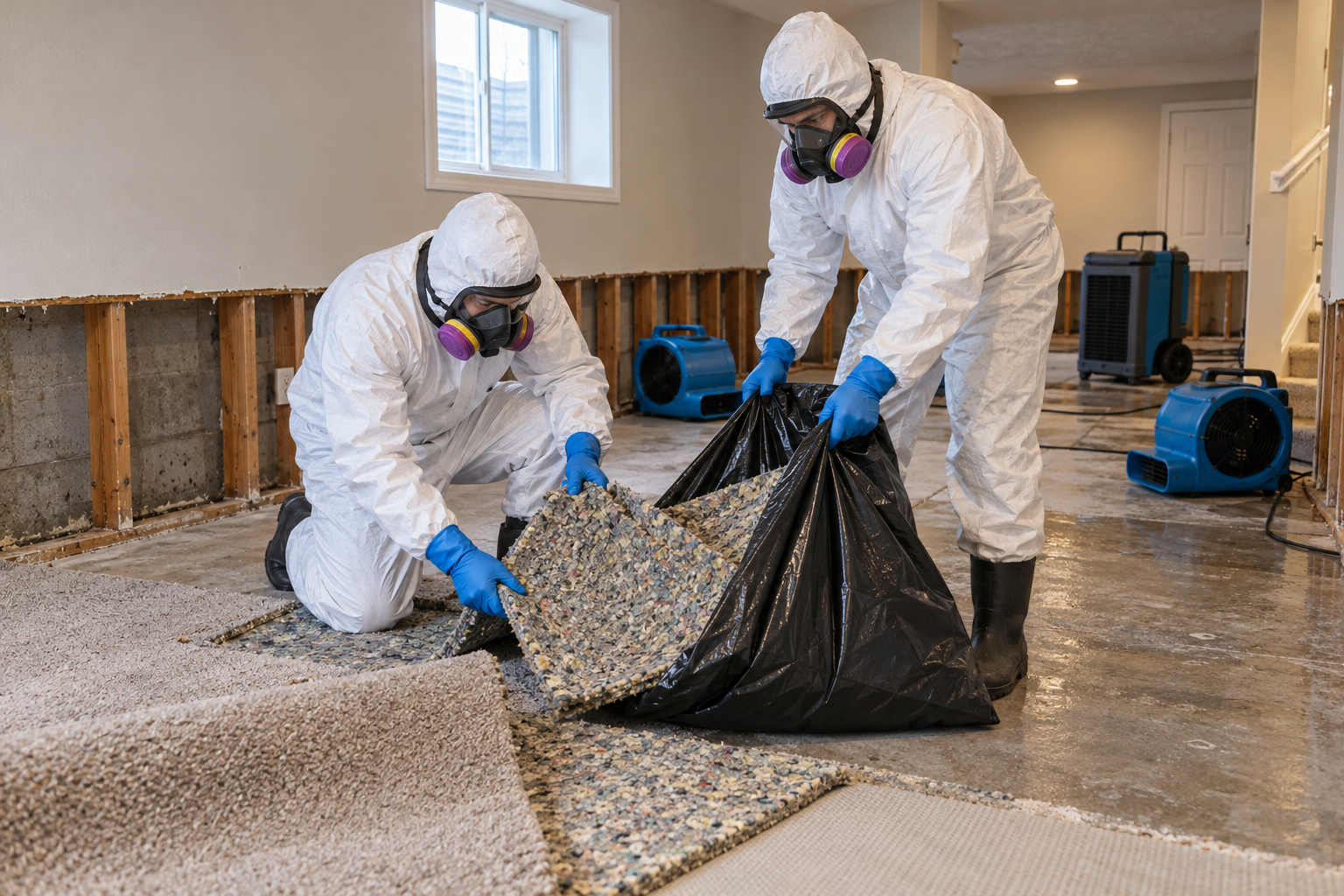
Carpet padding, insulation, upholstered materials, and sections of drywall may hold contamination below the surface. Depending on the exposure, these materials often need controlled removal and documented disposal. Removing only the visibly wet portion can miss moisture that traveled behind walls or beneath flooring, so moisture readings and careful inspection help establish appropriate boundaries.
Some Hard Surfaces May Be Cleaned
Sealed tile, metal, and other intact nonporous surfaces may be candidates for professional cleaning and disinfection. The process can include extraction, removal of residue, application of appropriate antimicrobial products, and HEPA-filtered air control. Damaged grout, unsealed wood, or materials with inaccessible cavities may require a different approach, so an on-site evaluation remains essential.
Personal Belongings Need Individual Review
Washable hard goods may sometimes be cleaned, while mattresses, paper products, and heavily contaminated textiles may not be practical to restore. Sentimental or high-value contents deserve special attention before disposal. Photographing items and recording the condition of affected materials can also support discussions with an insurance carrier, depending on the policy and cause of loss.
Cleaning Is Followed by Structural Drying
After contaminated materials are removed and remaining surfaces are cleaned, technicians can use air movement, dehumidification, and moisture monitoring to dry the structure. Structural drying and water damage restoration help protect framing and other salvageable components while reducing the conditions that may contribute to secondary mold growth. If further assessment is needed, learn about mold remediation in Sparks. Verification readings help determine when the area is ready for repair or reconstruction.
24/7 Sewage Cleanup in Sparks and Reno
COIT Cleaning and Restoration provides 24/7 sewage cleanup in Sparks and serves Reno, Spanish Springs, Sun Valley, and surrounding communities. Its IICRC-certified firm uses trained restoration technicians for extraction, containment, sanitization, drying, and documented disposal. COIT also works with insurance carriers and can provide documentation for the recovery process.
A sewage backup should be addressed promptly and carefully. Call COIT Cleaning and Restoration at 775-322-4266 for 24/7 sewage cleanup in Sparks and the Reno area. Keep people and pets away from the affected space, avoid direct contact with contaminated water, and wait for trained professionals to assess the damage.
For immediate safety steps, read what to do first after a sewage backup.
Need help after a sewage backup?
Our certified team responds 24/7 across Sparks and Reno.