A burst pipe, appliance leak, roof opening, or flooded crawlspace can send water beyond the area you can see. Moisture may move beneath flooring, wick into drywall, and remain inside insulation or framing. Quick action can help limit additional damage, but safety comes first when water is near electrical equipment, ceilings are sagging, or contaminated water may be involved.
COIT Cleaning and Restoration provides 24/7 water damage restoration in Sparks, Reno, and surrounding Northern Nevada communities. Its local team handles water extraction, moisture mapping, structural drying, dehumidification, and documentation for insurance communication.
First Steps Before the Restoration Team Arrives
If it is safe to do so, stop the water at the source and keep people away from the affected area. Do not enter standing water when electricity may be present. Then take a few practical steps:
- Call for professional help and describe the water source, affected rooms, and any visible hazards.
- Move small valuables from nearby dry areas without walking through standing water.
- Photograph visible damage from a safe location for your records.
- Avoid using household vacuums or placing fans near outlets or electrical equipment.
- Do not remove wet building materials until the loss has been assessed and documented.
How Professional Water Damage Restoration Works
1. Assess and Map the Moisture
Technicians inspect visible damage and use moisture meters or thermal imaging to look for water beneath floors and inside walls. This helps define the drying area and provides a baseline for monitoring progress.
2. Extract Standing Water
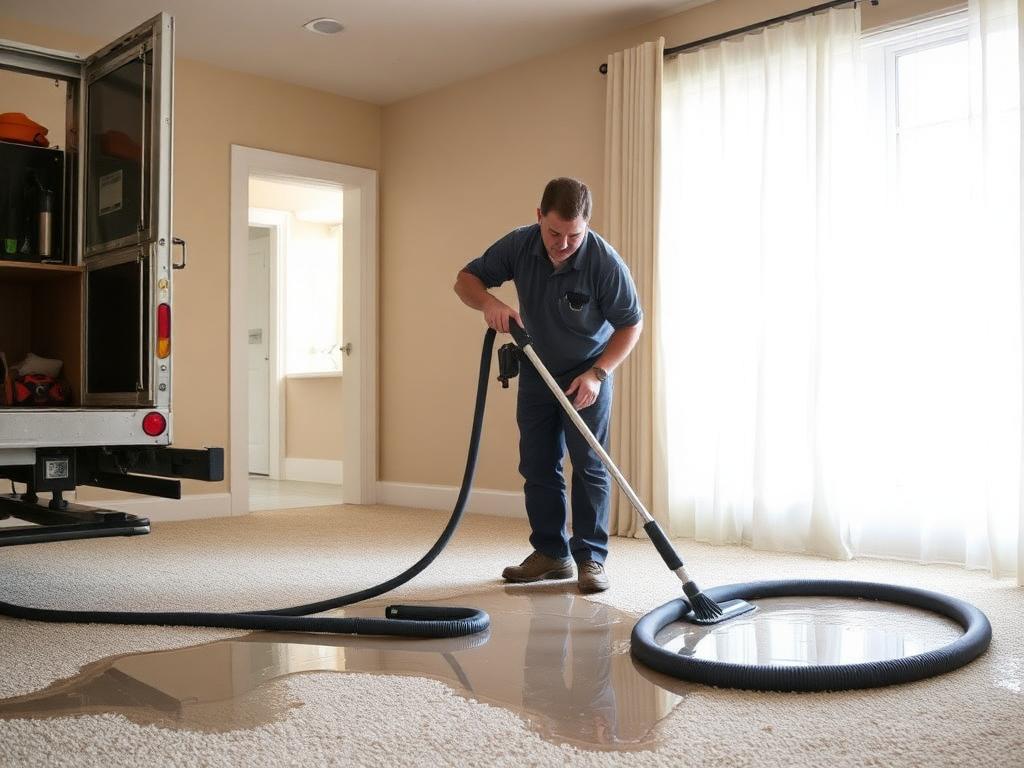
Professional extraction equipment removes as much water as practical before drying begins. COIT's water damage restoration service covers losses from burst or frozen pipes, appliance leaks, storms, ceiling leaks, basements, and crawlspaces.
3. Dry and Dehumidify the Structure
Air movers and commercial dehumidifiers are positioned according to the affected materials and room conditions. Technicians check moisture readings during the process and adjust equipment until the documented drying target is reached.
4. Document the Loss
Photos, moisture readings, drying logs, and the scope of work may help the property owner and insurance adjuster understand the damage. COIT states that it works with insurance carriers and offers direct billing, while coverage depends on the policy and cause of loss.
When Water Requires a Different Cleanup Plan
The water source affects how a loss should be handled. A clean supply-line leak is different from a toilet overflow, sewer backup, or stormwater carrying contaminants. If sewage is involved, avoid contact and review COIT's sewage cleanup service for information about containment, contaminated-material removal, cleaning, and disinfection.
Watch for Moisture After the Visible Water Is Gone
A floor can look dry while moisture remains in the subfloor, baseboards, or wall cavities. Persistent dampness may damage materials and can contribute to mold growth. If odors, discoloration, or visible growth appear after a water loss, COIT also provides mold remediation in Sparks and Reno.
Request Water Damage Help
COIT serves Sparks, Reno, Spanish Springs, Sun Valley, Verdi, Carson City, Fernley, and other nearby communities. For an active water loss, call 775-322-4266 for 24/7 emergency service and guidance on the safest next step.
Water still spreading?
Our local crew answers 24/7 — call now and we'll walk you through the safest next step.