Removing visible mold is an important part of remediation, but it is not the final measure of success. A professional closeout should show that affected materials were addressed, the work area was cleaned, and the moisture conditions that supported growth were corrected. For homeowners, property managers, and buyers in Sparks and Reno, post-remediation verification provides a clearer record of what was done before containment comes down or repairs move forward.
Remediation Should Start With a Defined Scope
A documented mold remediation process begins with inspection, moisture mapping, and testing when appropriate. Those findings help identify affected areas and establish the work plan. Without a clear starting point, it is difficult to determine whether removal and cleaning addressed the full problem.
Visual Cleanliness Is Only One Checkpoint
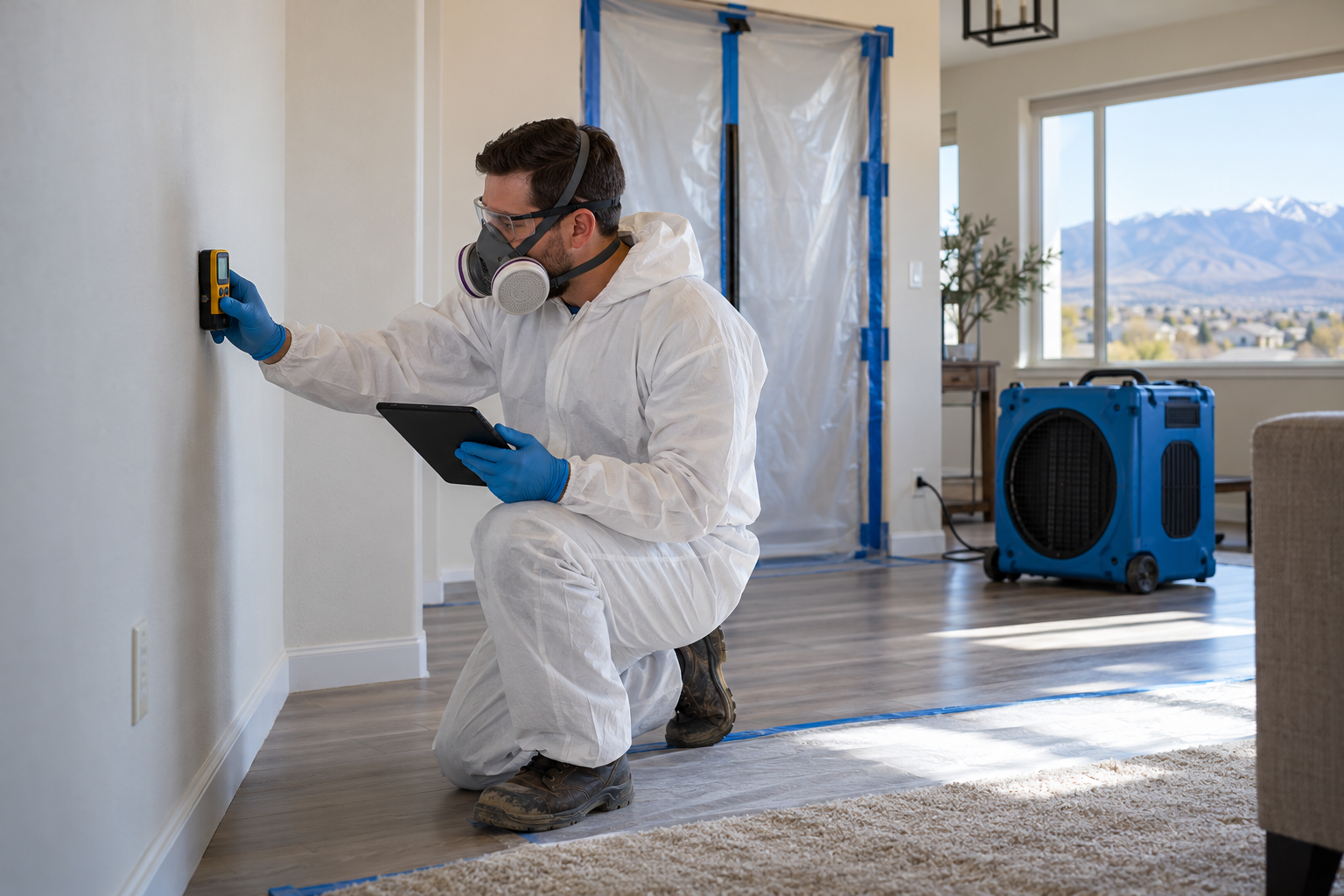
A wall or floor can look clean while moisture remains inside adjacent materials or cavities. Verification may include a careful visual review, moisture readings, confirmation that the moisture source was corrected, and examination of the containment area. These steps help determine whether the space is ready for reconstruction or normal use. They also reduce the risk of closing a wall over unresolved dampness.
Clearance Testing Can Add Independent Confirmation
Post-remediation clearance testing may be recommended or requested depending on the scope, property type, and project requirements. When third-party testing is used, an independent professional evaluates the completed work against the agreed clearance criteria. This separation can be valuable for real estate transactions, managed properties, insurance files, or anyone who wants additional written confirmation before the project closes.
Moisture Control Remains Essential
Mold remediation is incomplete if the moisture source remains. Plumbing leaks, appliance failures, roof intrusion, condensation, or a previous flood can allow damp conditions to return. When mold follows a leak or water loss, professional water damage restoration can include moisture mapping, extraction, structural drying, and monitored readings before affected finishes are replaced.
Documentation Protects the Property Record
A strong closeout file may include the original scope, photographs, moisture readings, work logs, material-removal records, and any clearance results. Documentation does not guarantee future conditions, but it shows the steps taken and creates a useful record for homeowners, property managers, buyers, appraisers, lenders, or insurers. It also makes it easier to explain why certain materials were removed and when the area was considered ready for repair.
Questions to Ask Before Remediation Is Closed
- Was the original moisture source identified and corrected?
- Were affected areas contained while removal and cleaning took place?
- Are building materials at an acceptable moisture condition?
- What documentation will be provided at closeout?
- Is third-party clearance testing appropriate for this project?
Related reading: the steps behind a complete mold project and hidden signs of water damage.
Concerned about mold in your property?
COIT Cleaning and Restoration provides certified mold inspection and remediation for Sparks, Reno, and surrounding communities. Call 775-322-4266 or request a free inspection to get a documented plan.